September 24, 2026
Three More Professors Join ISTA
Welcome Friedrich Stricker, Carla Fernández-Rico, and Simone Fatichi!
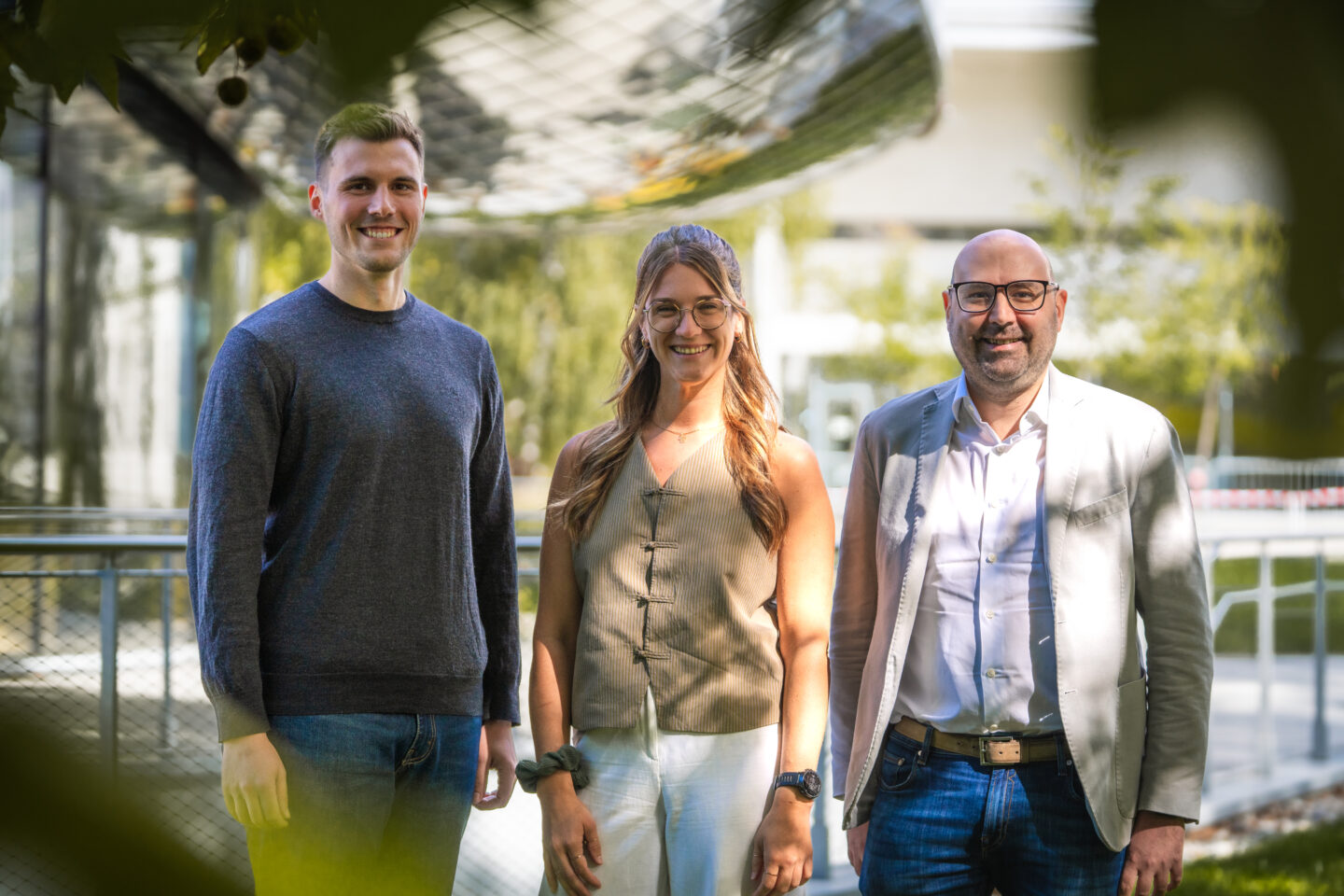
The Institute of Science and Technology Austria (ISTA) has welcomed three more new professors to campus. Together, their research expands the Institute’s portfolio by addressing exciting and complex new questions linked to self-assembling and adaptive materials, as well as the interactions among Earth’s water, life and soil systems.
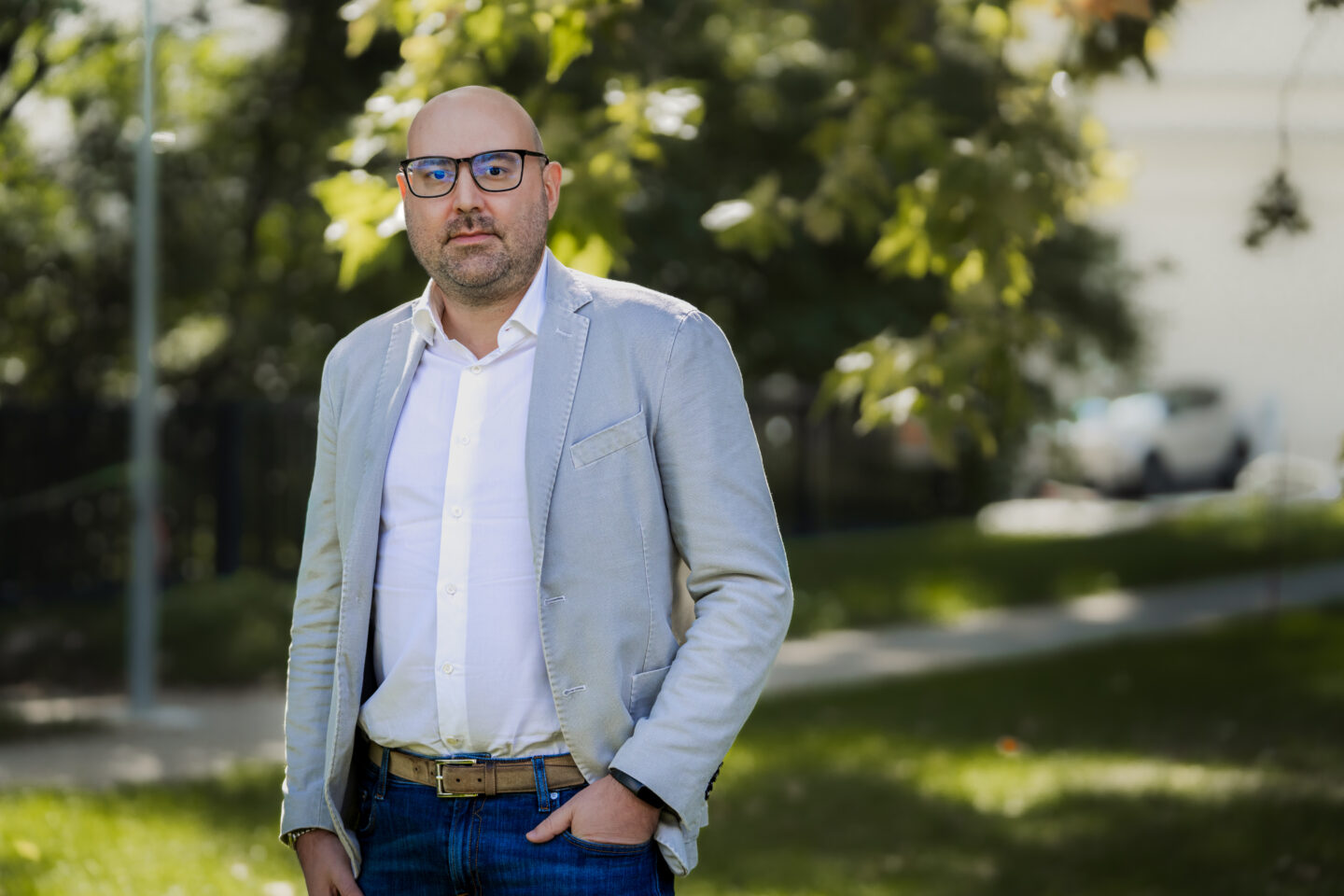
Earth system scientist Simone Fatichi
Simone Fatichi investigates the complex interactions between the Earth’s hydrosphere, biosphere, and pedosphere across different scales. These spheres encompass all of our planet’s water, in addition to its terrestrial living organisms, and soil layer.
Fatichi’s research combines observations of natural processes with simulations using advanced computational models.
“In this way, we can answer how water, energy, and carbon cycles interact within ecosystems and how these interactions respond to external pressures like climate change and urbanization,” he explains. This research, he adds, can help improve ecosystem protection, water and soil management, and the development of environmentally sustainable strategies.
Fatichi joins ISTA as a professor. He previously held professorships at the National University of Singapore, first as an associate professor and later as a professor. Earlier in his career, he was a research associate and lecturer at ETH Zurich and a postdoctoral fellow at the University of Florence. He completed a joint PhD at the University of Florence and TU Braunschweig.
Fatichi, who is Italian, just received the 2026 Paul A. Witherspoon Lecture award from the AGU in recognition of his influential research in hydrology and commitment to mentoring early-career scientists. Other distinctions for instance include the 2019 Antonio Feltrinelli Giovani Prize in Engineering of Complex Systems from the Accademia Nazionale dei Lince.
At ISTA, the Earth system scientist plans to build a web-based modelling platform that allows him to apply his team’s terrestrial biosphere model to simulate water and carbon fluxes in ecosystems around the world. This will help to better quantify the processes driving changes in water availability and ecosystem services such as carbon storage in plants and soil. It could also guide environmental conservation efforts.
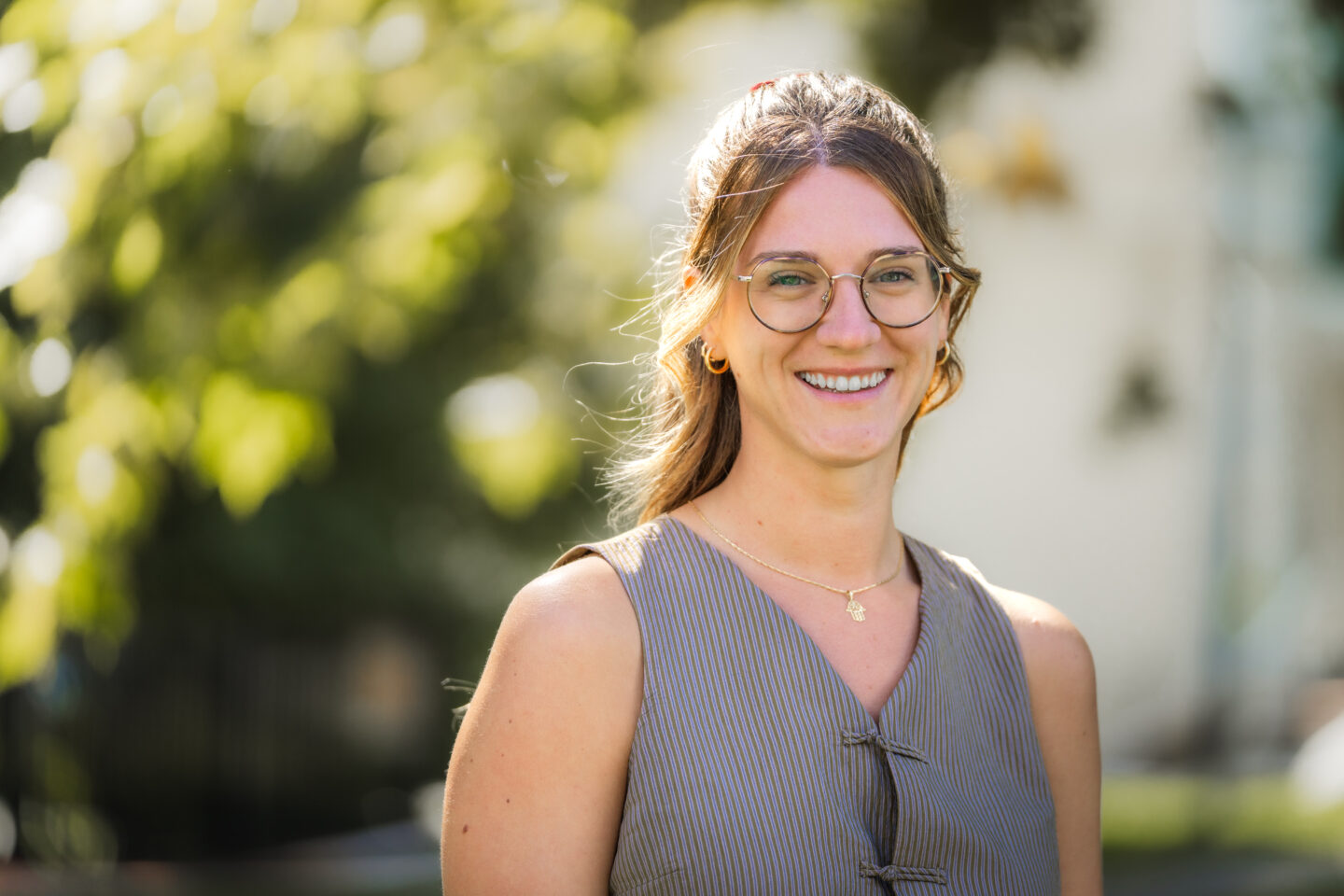
Physicist Carla Fernández-Rico
Carla Fernández-Rico studies how small building blocks, such as colloidal particles, fibers or bacteria, organize themselves into materials with structure and functions.
Nature provides many examples of such self-organization: just think of the beautiful feathers of a peacock, blue and green with eye-like patterns, or the tough shell of an abalone sea snail.
At ISTA, the Barcelona native hopes her research group will uncover the physical principles that explain how such structures emerge, both in living and non-living systems.
“By understanding these principles, we aim to create new ways of building materials from the bottom up,” the Catalan explains. “Ultimately, we want our research to contribute to the development of sustainable materials that can be grown, assembled, or manufactured with greater control.”
Fernández-Rico joins ISTA as an assistant professor following an accomplished academic journey. She earned her PhD at the University of Oxford and subsequently held a postdoctoral position and led a research group at ETH Zurich. Her distinctions include a 2024 SNSF Ambizione Fellowship, the 2023 Woman Interactive Materials Award from the DWI Leibniz Institute and the 2023 Rising Star Award in Soft and Biological Matter by the University of Chicago and University of California, San Diego.
“I would like to build a creative, collaborative, and supportive research group with a strong experimental identity,” she says. “Scientifically, I hope to establish our group as a place where soft matter physics, biology and materials science come together to understand how structure and function emerge across scales.”
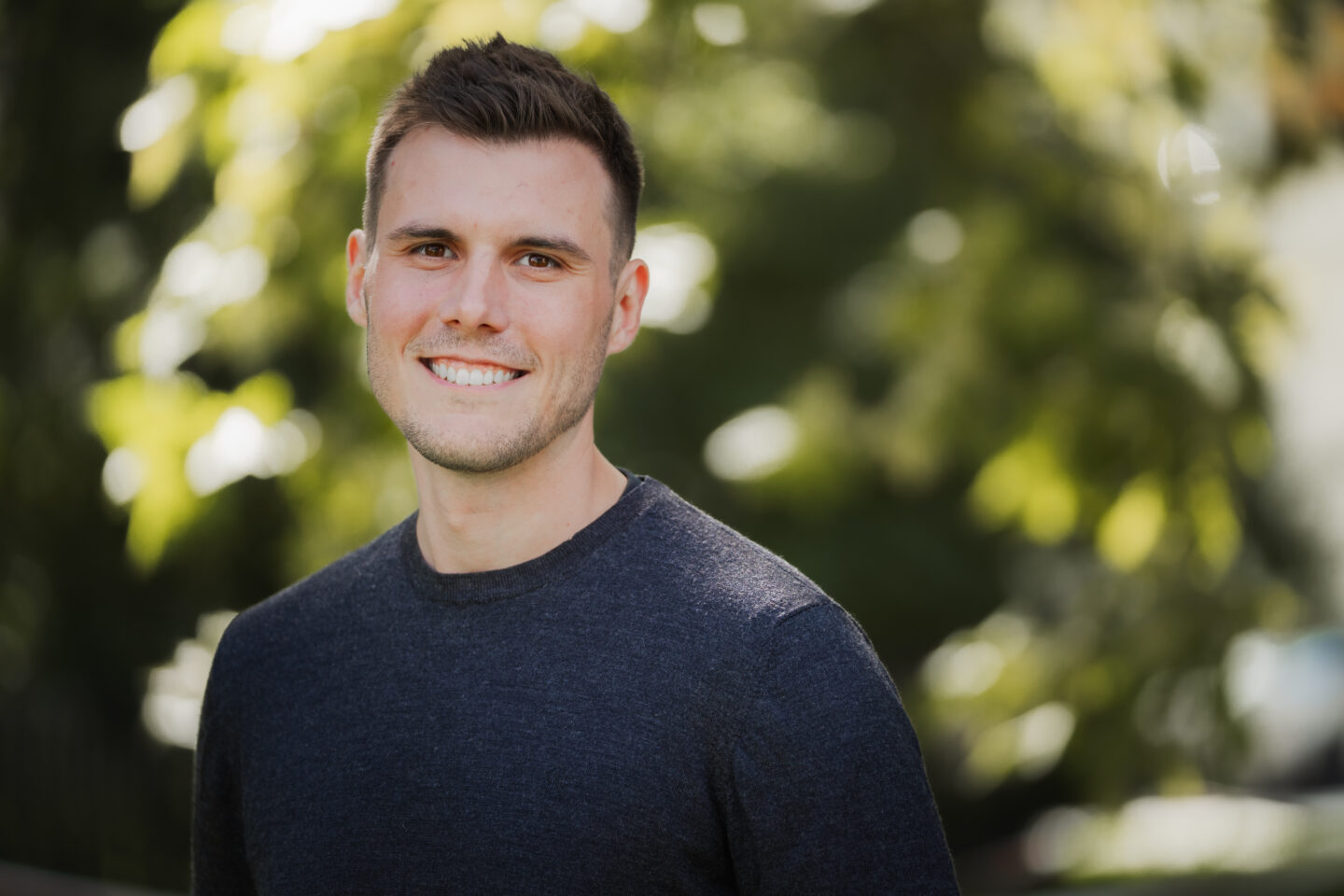
Friedrich Stricker is also fascinated by materials. The German chemist designs molecules and materials that do not simply switch between two states but can move between many—and explores what this expanded vocabulary allows a material to do.
“Imagine a material that bends toward sunlight for warmth, turns away when it overheats, and—because of what it went through to get there—reacts a little differently to sunlight the next time. Through chemistry, we want to build materials that don’t just respond to their environment, but adjust based on it,” Stricker explains.
Inspired by living systems—for instance, muscles that contract in response to stimulation or flowers opening their petals—Stricker’s research group seeks to recreate similar behaviors in synthetic materials. To do so, his team designs molecules with more than just “on” and “off” states, allowing a single stimulus to be routed down different paths depending on the molecule’s surroundings and its past. This, they argue, is the raw material from which adaptability has to be built.
“Most synthetic materials give the same answer every time you ask them the same question,” Stricker says. “We’re trying to design molecules and materials where the answer can depend on the material’s environment and history—a step toward bringing some of the adaptability of living systems into human-made technology.”
Over the coming years, Stricker’s goal is to build a team that explores how molecular design can give rise to molecules and materials capable of differentiation, memory, and ‘learning’ behavior.
The chemist joins ISTA as an assistant professor. He completed his PhD at the University of California, Santa Barbara, before becoming a postdoc at Harvard University and at the Max Planck Institute in Potsdam. His distinctions include a Walter Benjamin Fellowship and a Walter Benjamin Return Fellowship.